
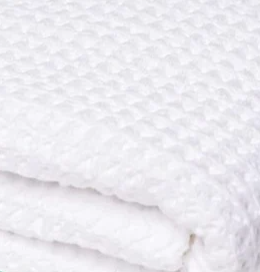
Anti-microbial (not synthetic microfiber) Towels: The goal is to use a material that cannot grow mold when humid and doesn't collect fibers or dust. Look for towels made from bamboo, hemp or cotton infused with charcoal. Try to purchase them white or another pale color whenever possible as it shows fibers, bits of plant material, etc. the easiest.
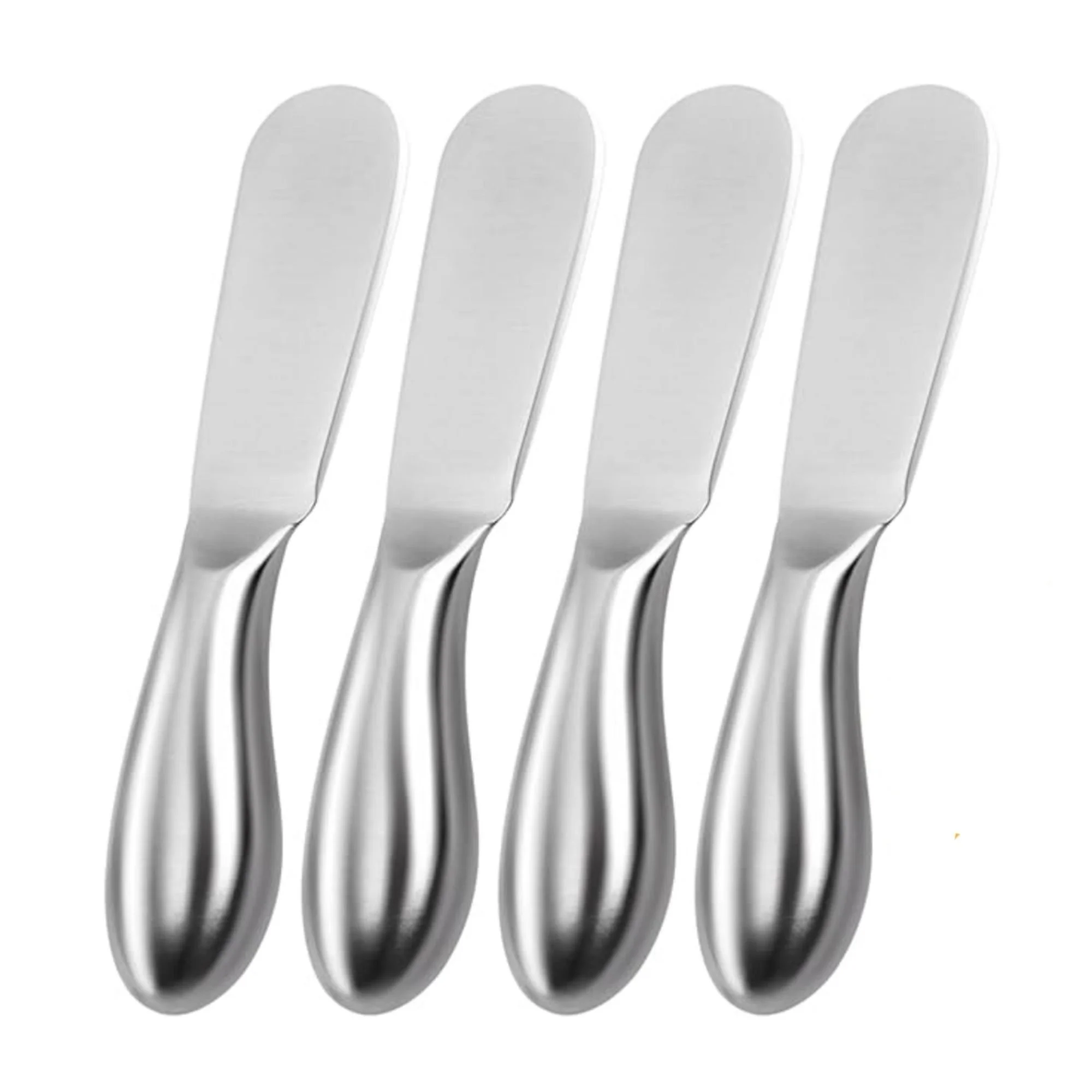
Butter Knife: A knife without the serrated edge. A dull knife for removing resin from the sieving bags.
We were gifted very nice knives from workshop host in Illinois that look like this image. Very easy to hold and absolutely dull edge perfect for gently removing the resin from the bags.
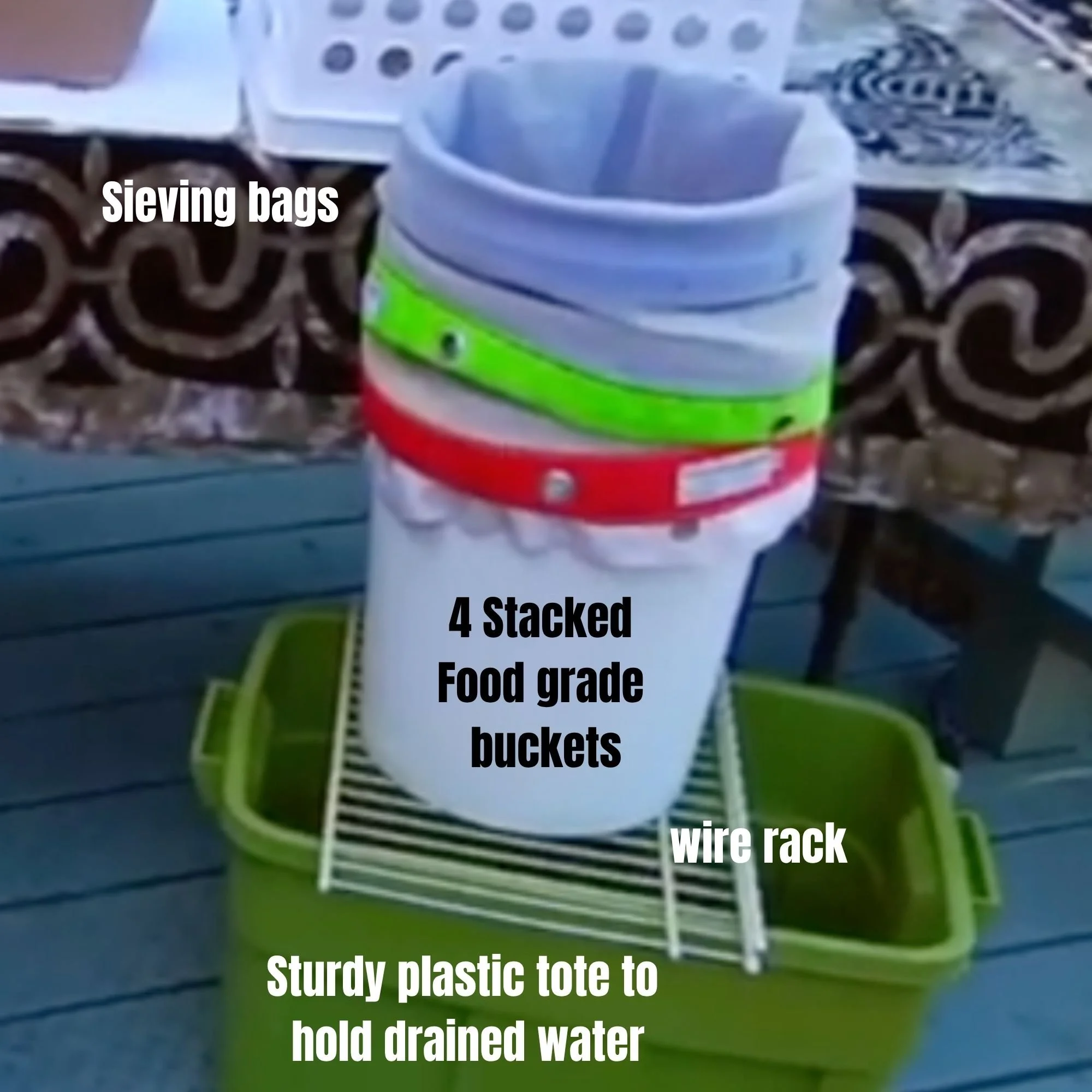
Bottomless Buckets as sieving bag supports: Look for stackable food-grade buckets that have a 2-3” top ridge that creates space between the buckets when stacked. Purchase 4-6 buckets depending on number of sieving bags used. (Frenchy used 190µ, 160µ, 45µ bags. And 220µ and 25µ optional). Keep one bucket intact as a clean place to stack the other buckets when not in use. Cut off the bottom of other buckets at 2”-3” intervals to create space for the bags to hang without touching the bottom of previous bag. Use heat gun or hair dryer to soften plastic prior to cutting for cleaner finished edges.
Collecting Sieving Sheets: These sieving sheets are made from 25-micron cloth and come in a variety of sizes. They are very handy for placing the sieved resin from one batch while you continue to process another. This also allows you to gently wrap the sieving sheet in a fluffy towel to wick moisture from the sieved trichomes without putting any pressure on the material. Place the towel and sieving cloth enveloped trichomes in the refrigerator while you continue to work and finish the batch.
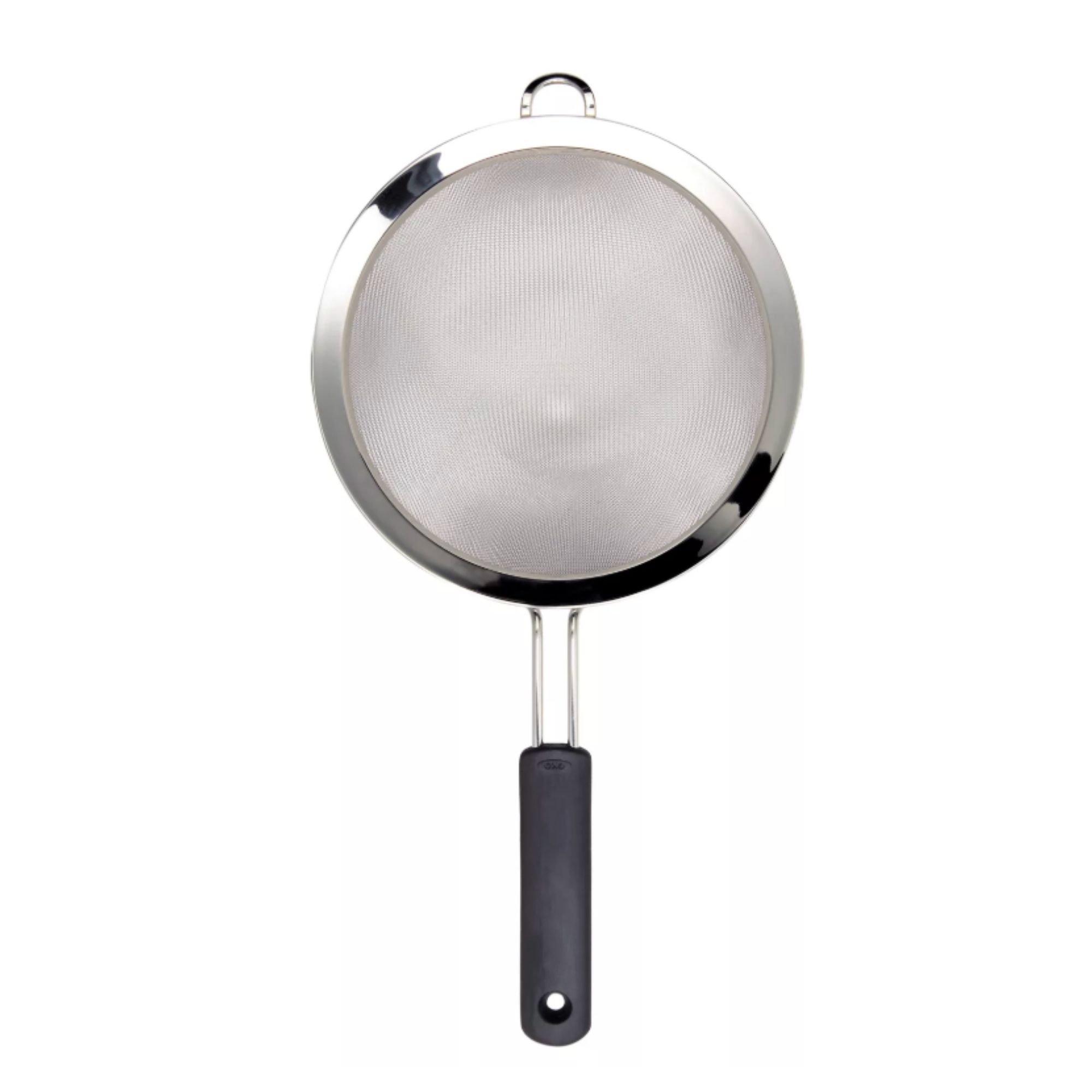
Fine mesh kitchen strainer: Used in the air drying process to separate the sieved trichome heads over parchment paper. The air drying method can be used for drying small batches. When working with larger quantities of material a freeze dryer is the preferred option for drying.
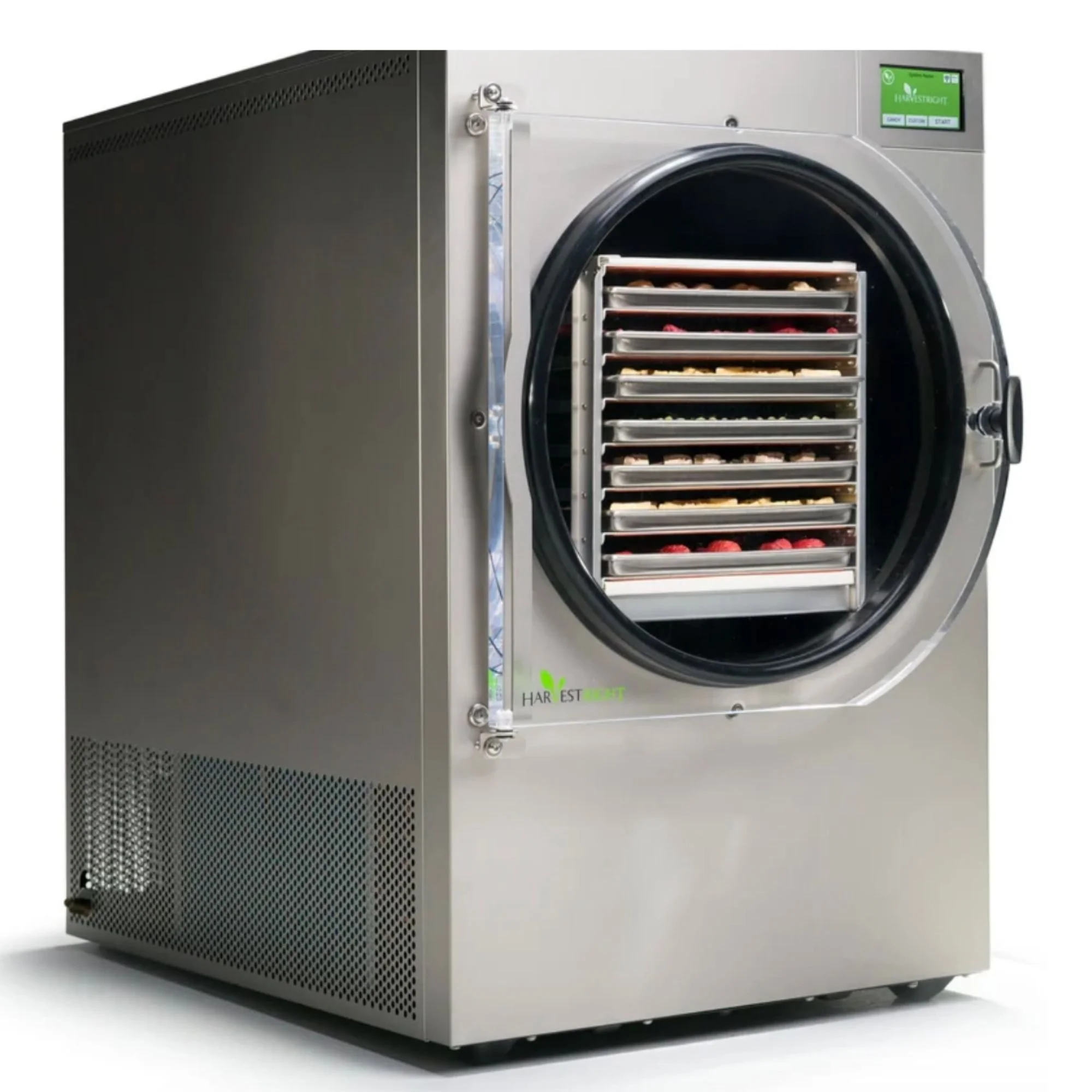
Freeze Dryer: When processing larger amounts of material using an ice-water sieving methodology, you are going to need a 100% reliable means for drying the material in a way that does not damage the trichomes or remove the terpenes. A cost effective way to do this is to work with a freeze dryer that can be programmed to function at low temps.
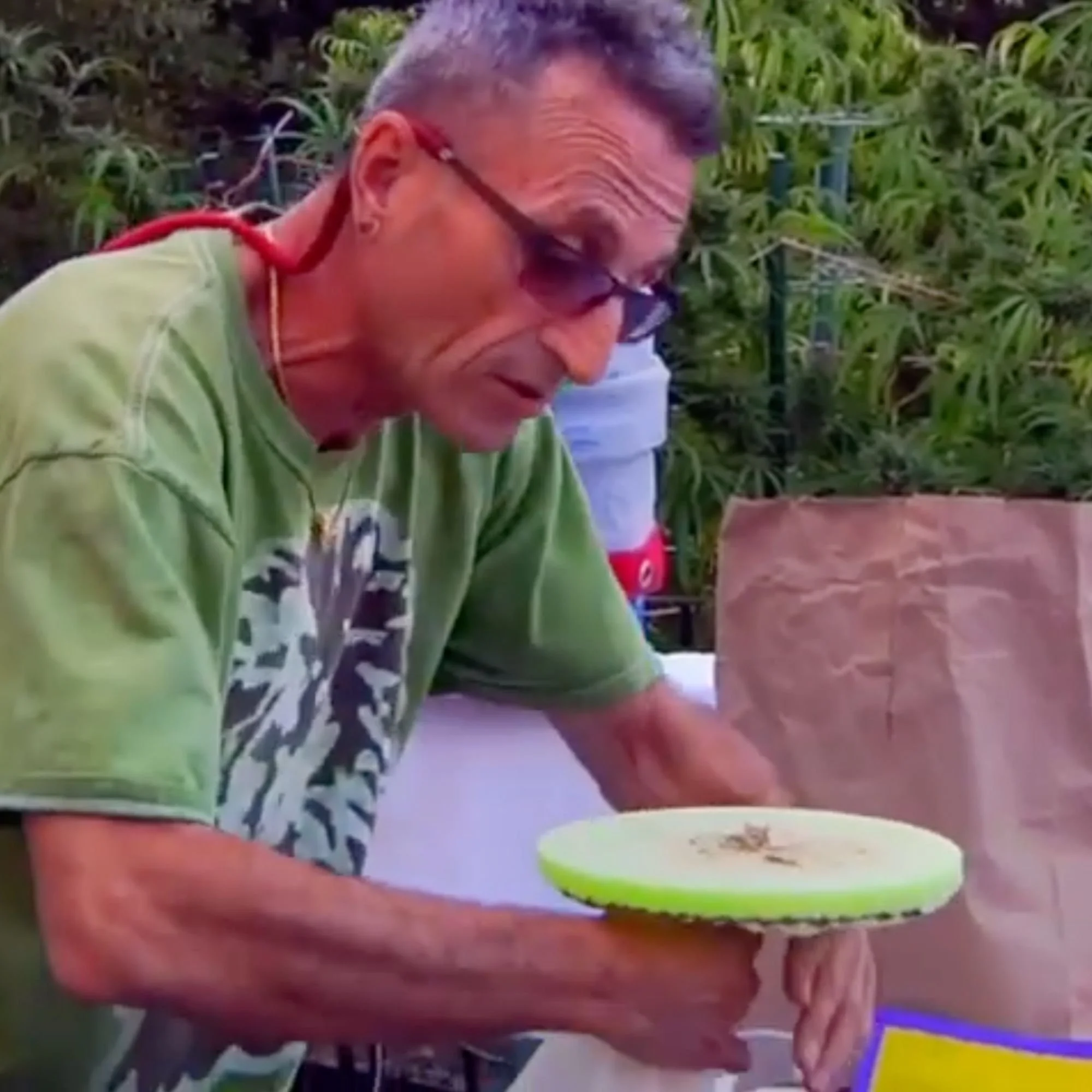
Frisbee: When looking for an inexpensive tool to gently stretch the sieving bags to remove the resin, Frenchy came up with a novel use for the ubiquitous frisbee accessible everywhere. The generic, inexpensive frisbee placed under the sieving bag creates a supportive tension stretching the bag to remove the sieved material with the aforementioned butter knife. The bags are stretched enough to created the needed tension but not so tight that the mesh is damaged and space between the meshes changed.
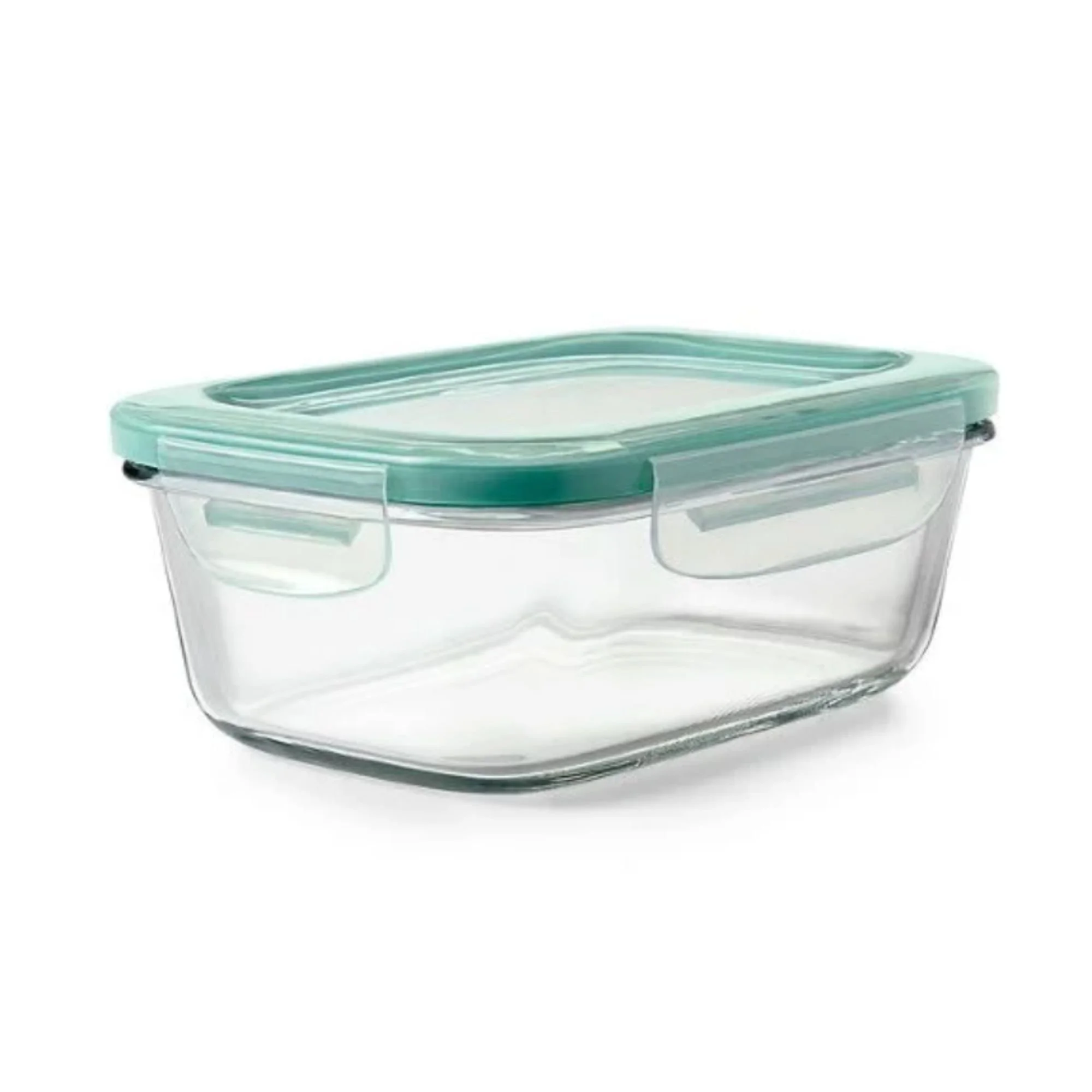
Glass container with a lid: For storage of the isopropyl alcohol used to clean the sieving bags. Overtime, once enough residual resin has collected in the alcohol, if desired, it can be evaporated using a slow cooker or other low temp heating method to gather condensed resin for therapeutic use.
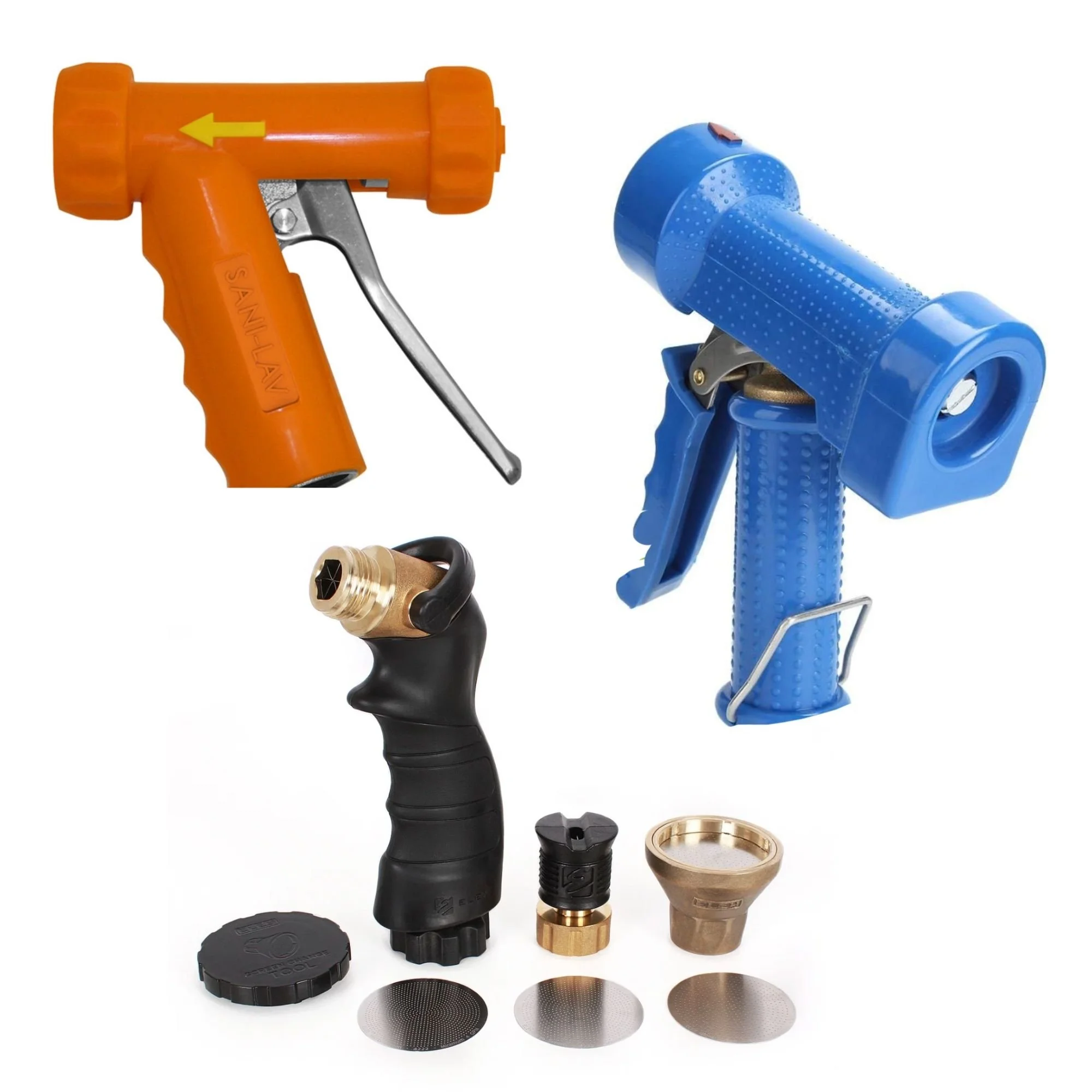
Garden Sprayer, lead-free water nozzle: Look for manufacturers using potable-water, food grade materials like 316 stainless steel, FDA-compliant polyoxymethylene (POM) plastics, or certified lead-free brass alloys to satisfy stringent NSF/ANSI 61 drinking water standards. Compliant products may reference the 2014 Reduction of Lead in Drinking Water Act. Commercial kitchen tool suppliers will have options.
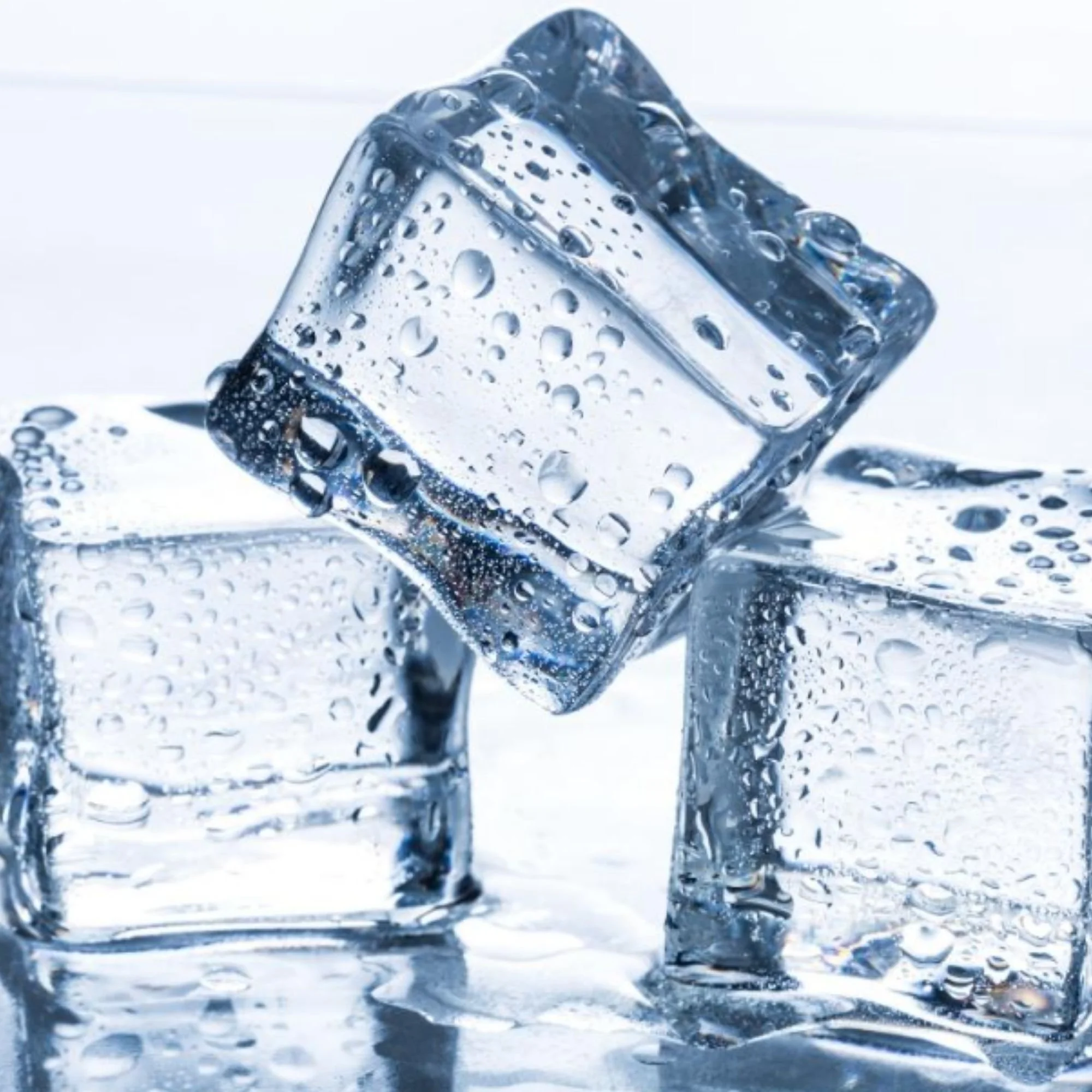
Ice is used to chill the water in the washing machine to help reduce the natural stickiness of the resin on the plant material. If rounded-edged ice is an option buy that. In the long term, if you start to work with greater volumes you will want to look into getting an ice-maker. In larger cities, there are rental services for ice-machines which are a great option because they service and clean the machines as well. Another way to reduce ice use is to use pre-chilled water. Large size aquarium chillers can be used to chill the water over night prior to use.
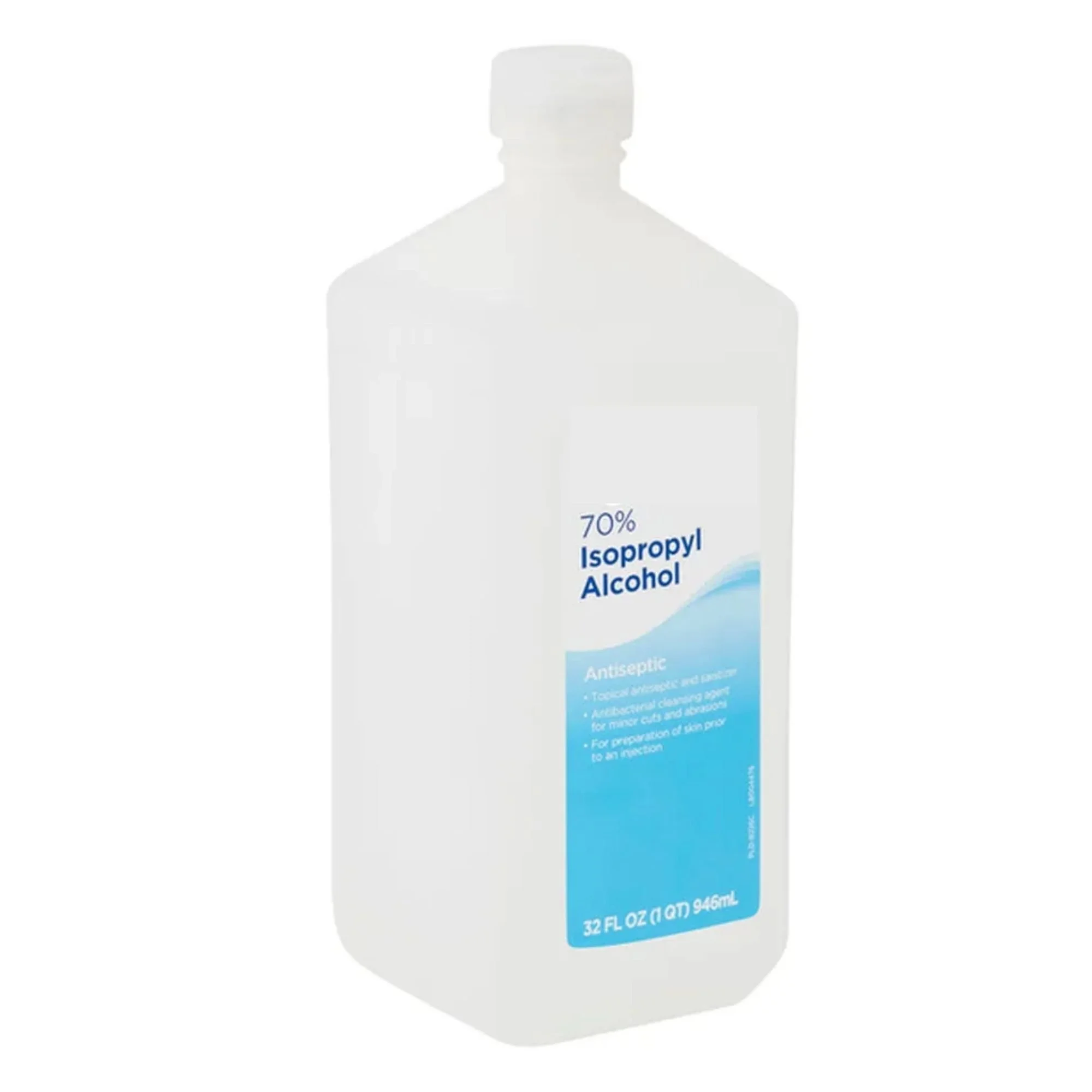
Isopropyl alcohol - Used for cleaning sticky resin from tools, sieving bags, the washing machine, countertop surfaces, hoses - anywhere that needs cleaning . Aim for the 70% concentration for cleaning because the 30% water slows down the evaporation which means more time for the alcohol to do it’s antimicrobial work.
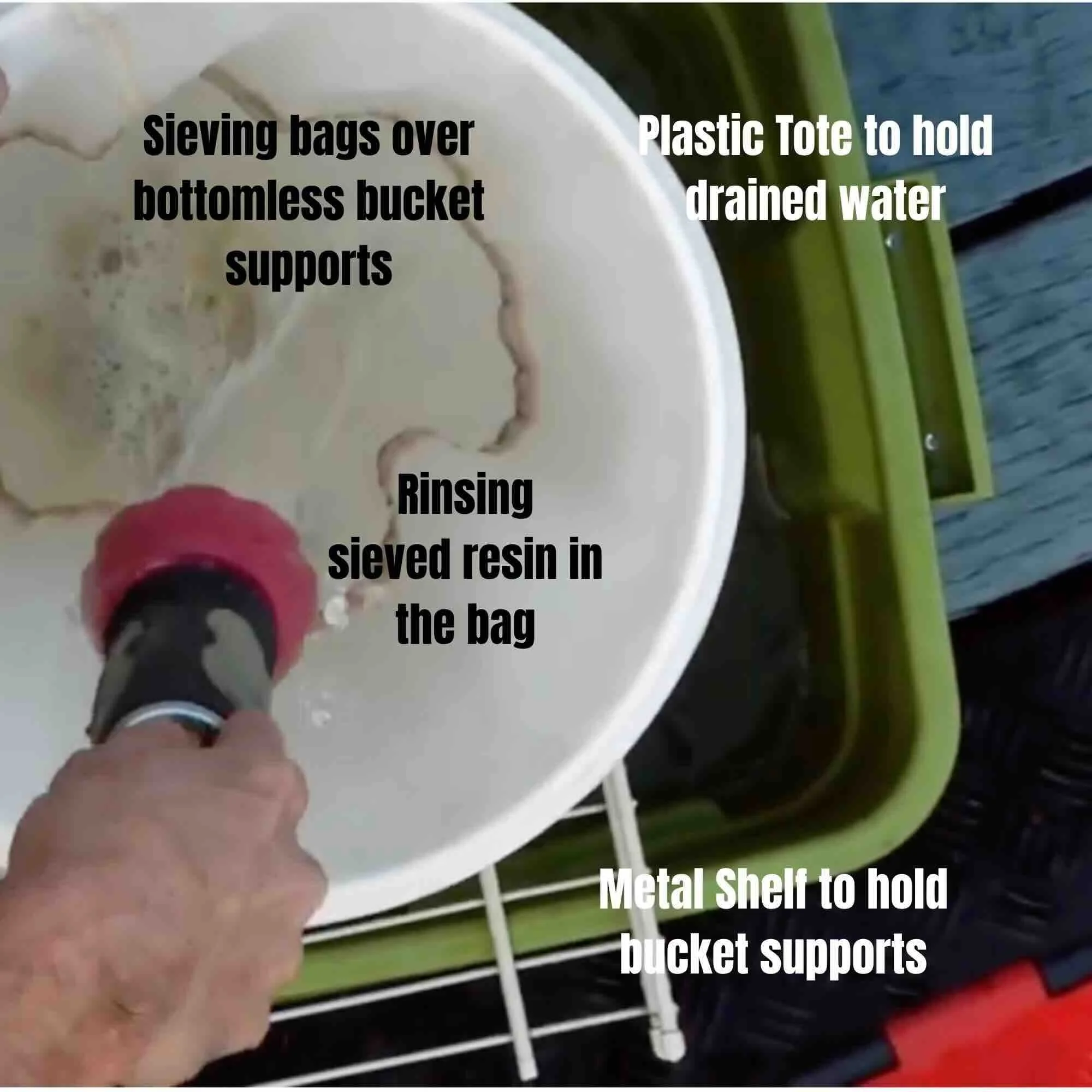
Metal grate or shelf to be placed over the plastic tote for bottomless bucket supports to sit on as sieving water flows through them into the tote below. In a pinch, you can clean an oven grill and use it as the support. Also metal shelves are available at hardware stores or home improvement centers for a reasonable price.
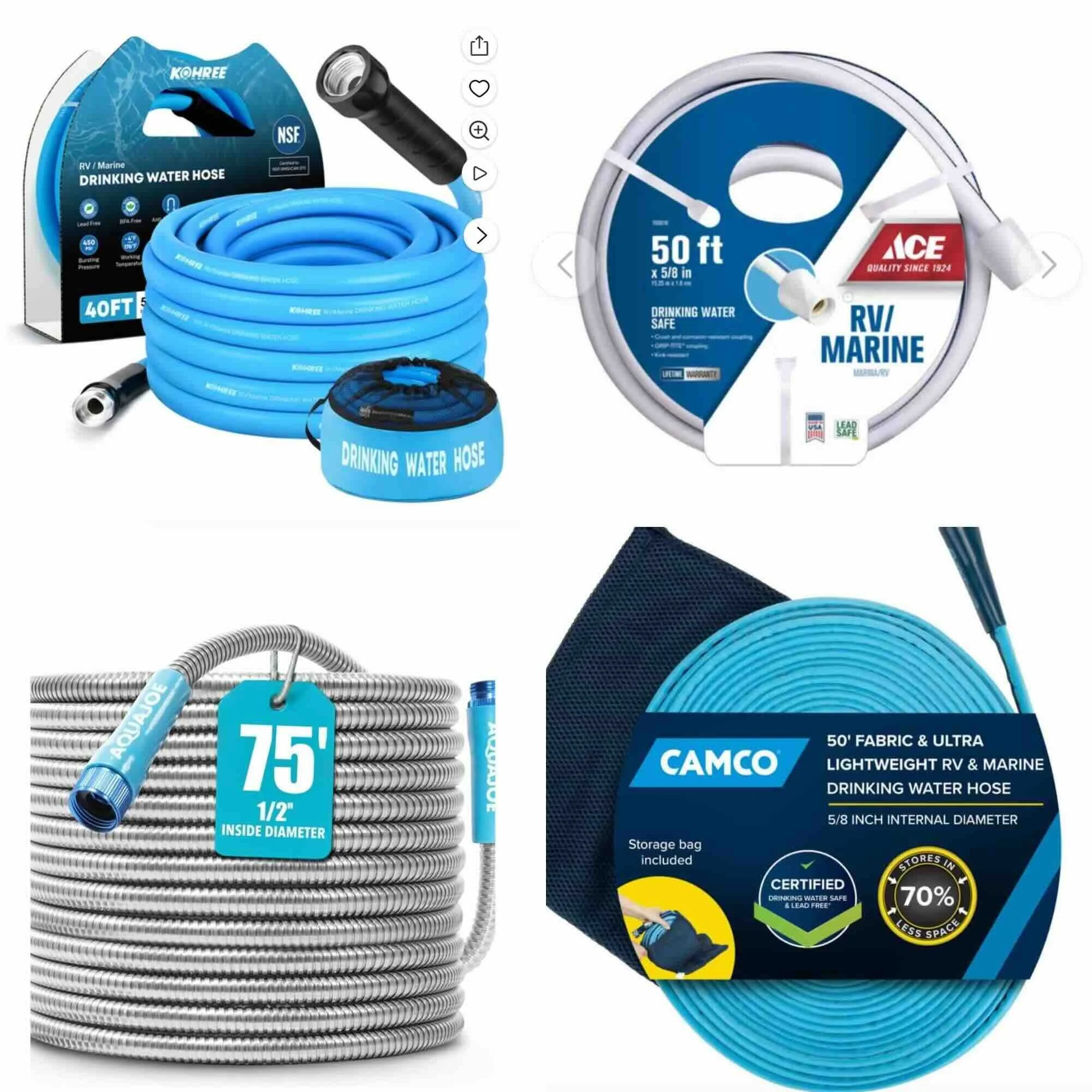
NFS Certified Drinking Water Hose - All aspects of the process should use food-grade equipment, especially the hoses! We have used a variety of hoses from different brands over the years. Appropriate hoses will be clearly listed as “drinking water safe”. RV, marine, and commercial kitchen suppliers will have these hoses for sale.

Nitrile Gloves - Keeps your hands resin-free, and keeps everything you touch clean. Costco has good price for gloves in bulk if you are in the U.S. Commercial kitchen supply stores also carry gloves.
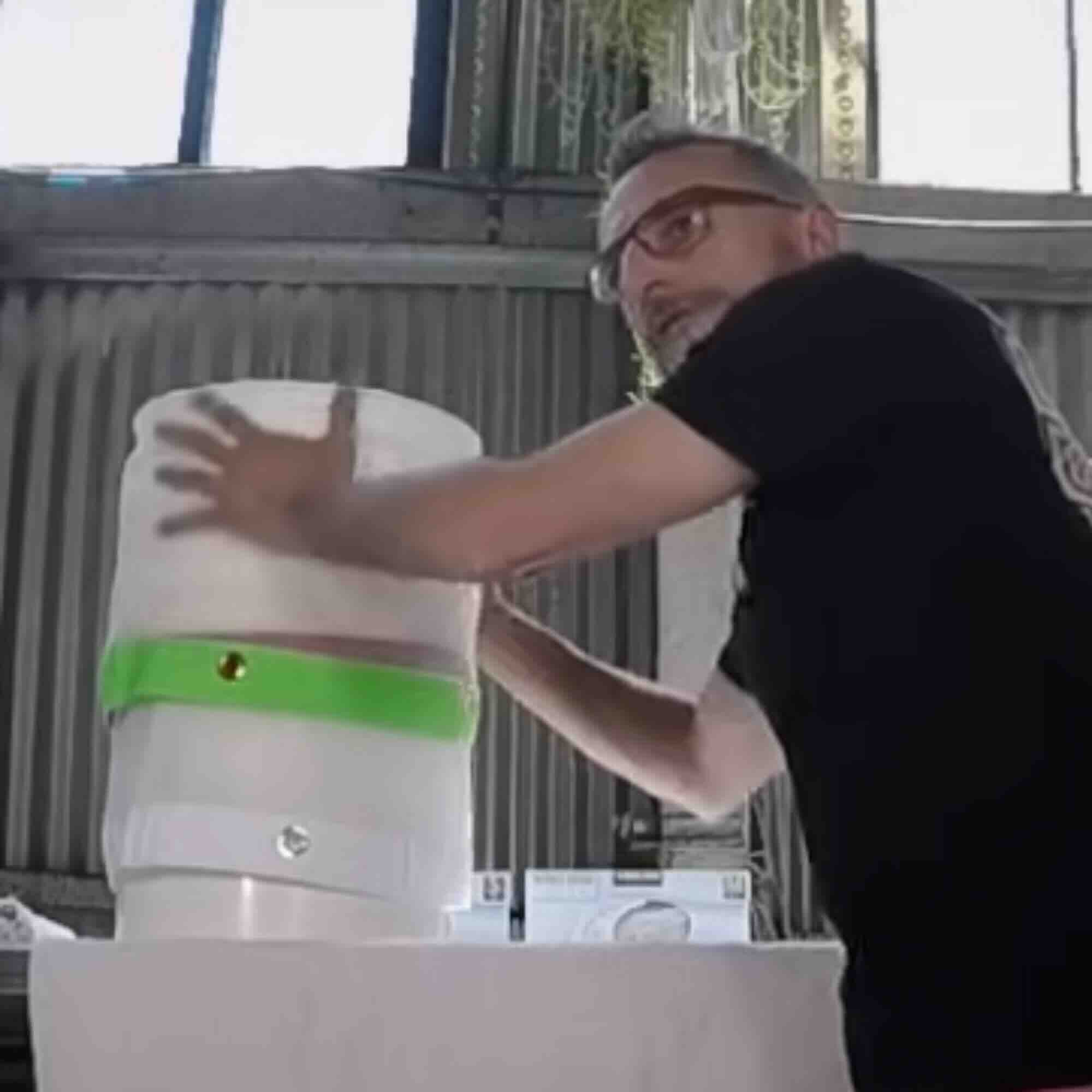
Sieving bags will probably be the largest investment you will make in terms of tools, unless you buy a freeze dryer. Good bags are made from industrial grade nylon filament that is calibrated to have space between the threads of a specific micron size so that only trichomes of that size or smaller will pass through the mesh. The bags come in sizes 220µ, 190µ, 160µ, 120µ, 90zµ, 73µ, 45µ, and 25µ. Each bag size represents a slice of the plant's cannabinoid and terpene spectrum. Frenchy used the 190µ, 160µ and 45µ bags primarily and depending on the plant structure also the 220µ and 25µ.
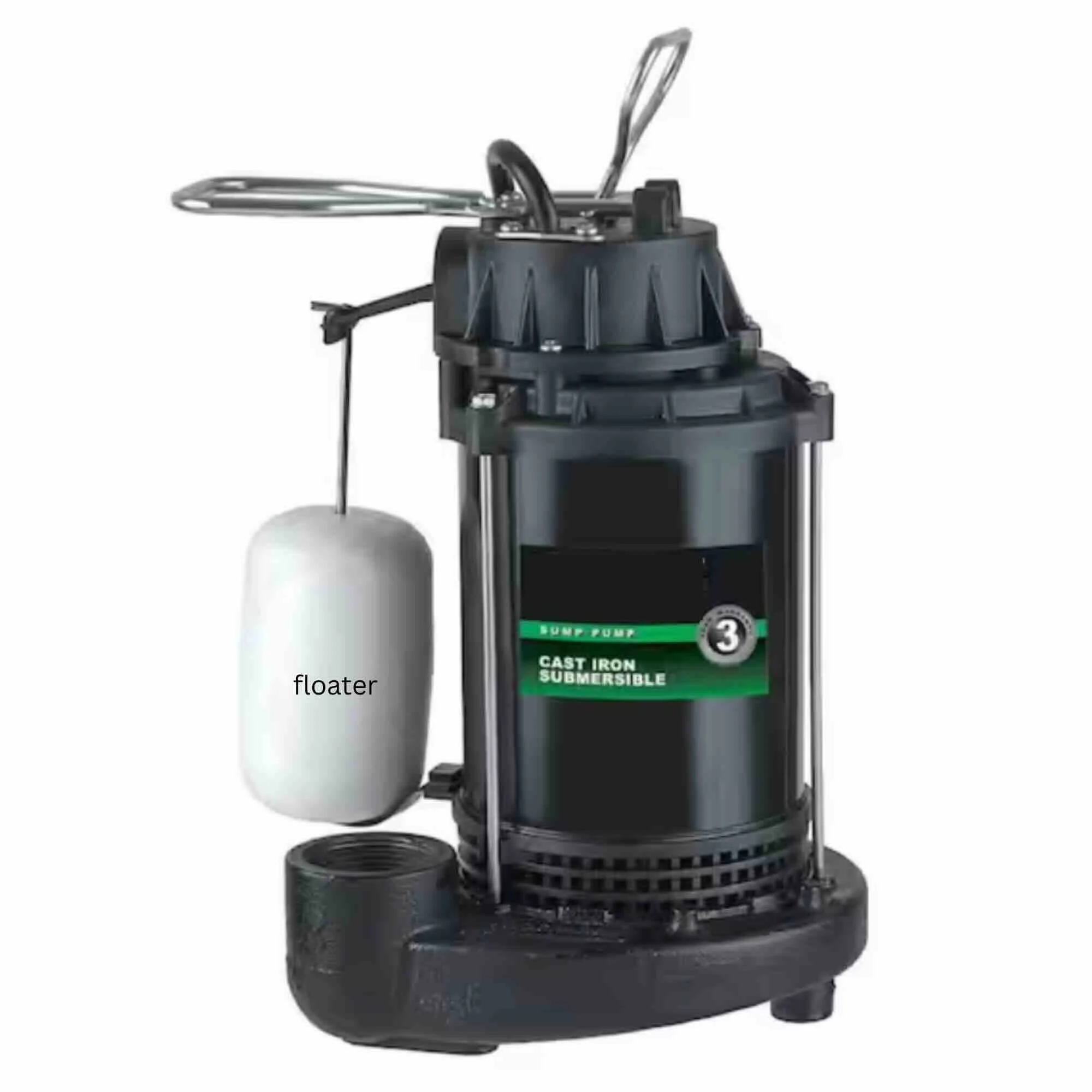
Sump pump - Manually draining the used sieving water from the plastic tote is a pain in the back, literally. Save your back, keep your floors dry and make your life easier - purchase a sump pump with a floater that turns the pump on when the water reaches a certain level and drains the water to your garden, or sink. No need to buy a mop if you have a sump pump with a floater! Don’t forget the floater.
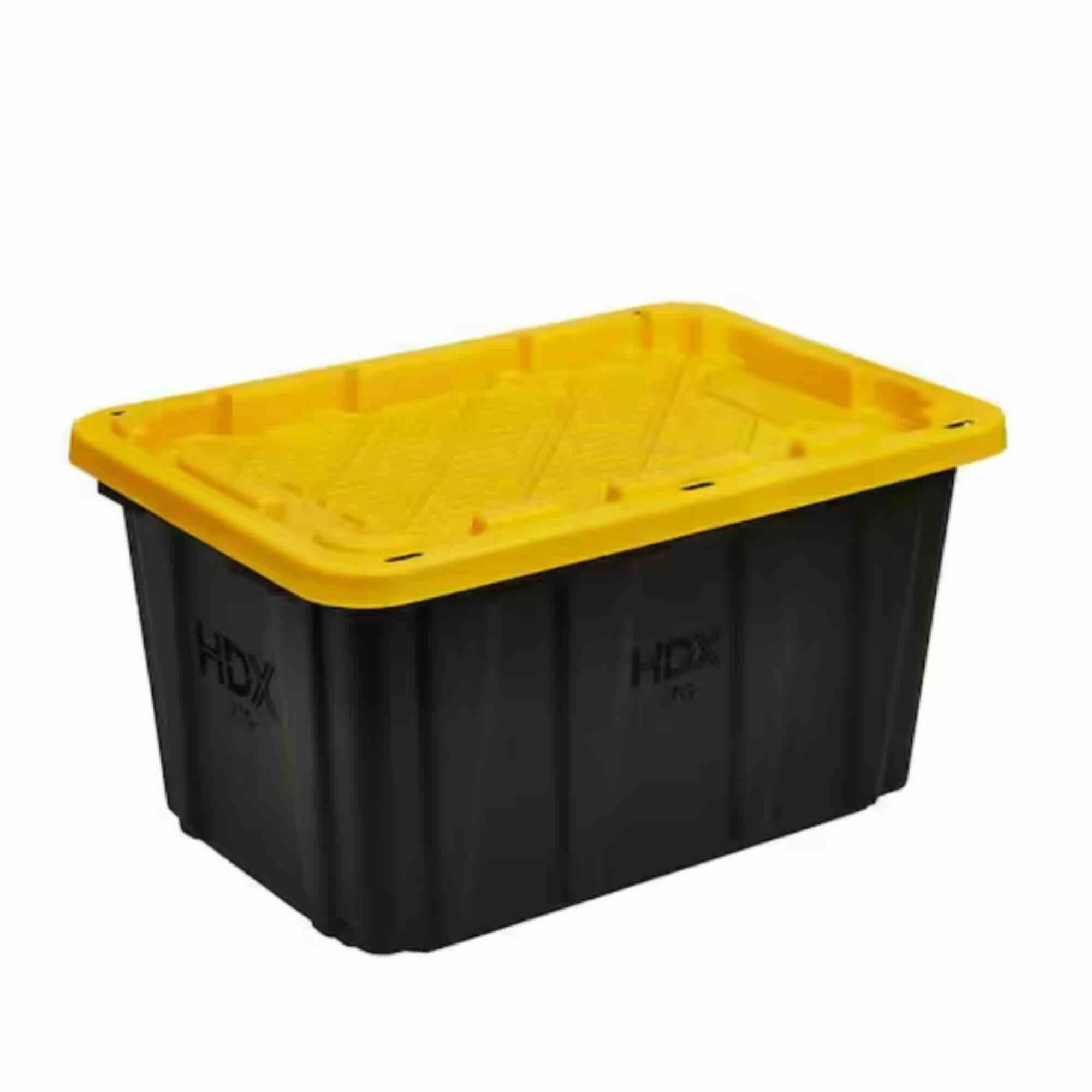
Tote for draining water - We use a heavy duty 27-gallon HDX plastic tote available at Home Depot or other hardware stores. You can use a garbage can or anything stable that will hold a good amount of water so you don’t have to worry about draining it while working. Also, get a sump pump, see above, and use the floater so that water will automatically drain to sink or garden while you work.
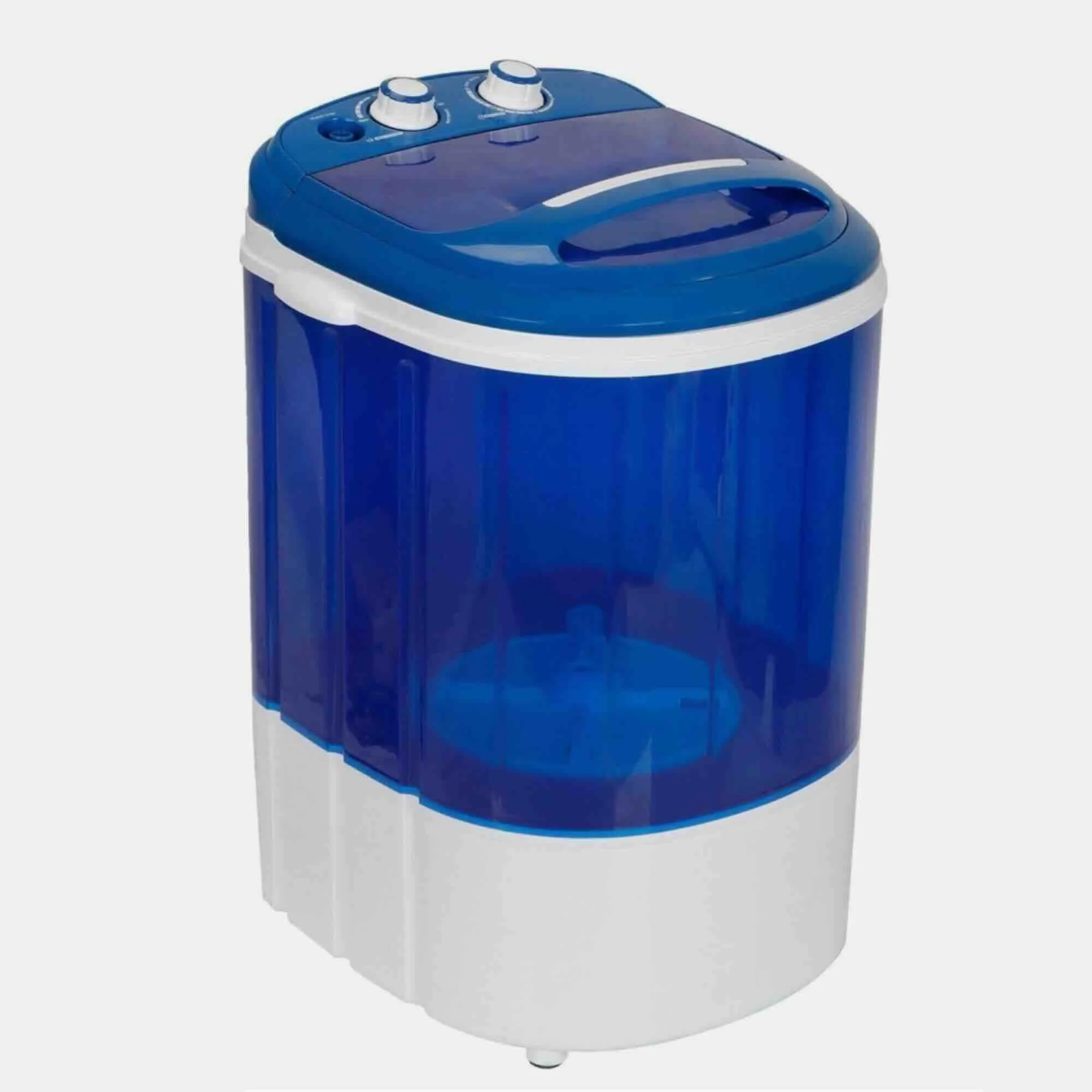
Mini-washing machine - For the DIYer just trying out the process to the experienced Hashishen, the little blue Chinese-made washing machine is a great investment. They are available for purchase on eBay in just about every country in the world. They come with a pleated drainage hose that is best removed to avoid mold growing from residual plant matter stuck in the pleats. Swapping the hose for a smooth-sided silicon one is an easy process. Frenchy’s apprentice Belle made a tutorial video to show you how, available on our YouTube page here.
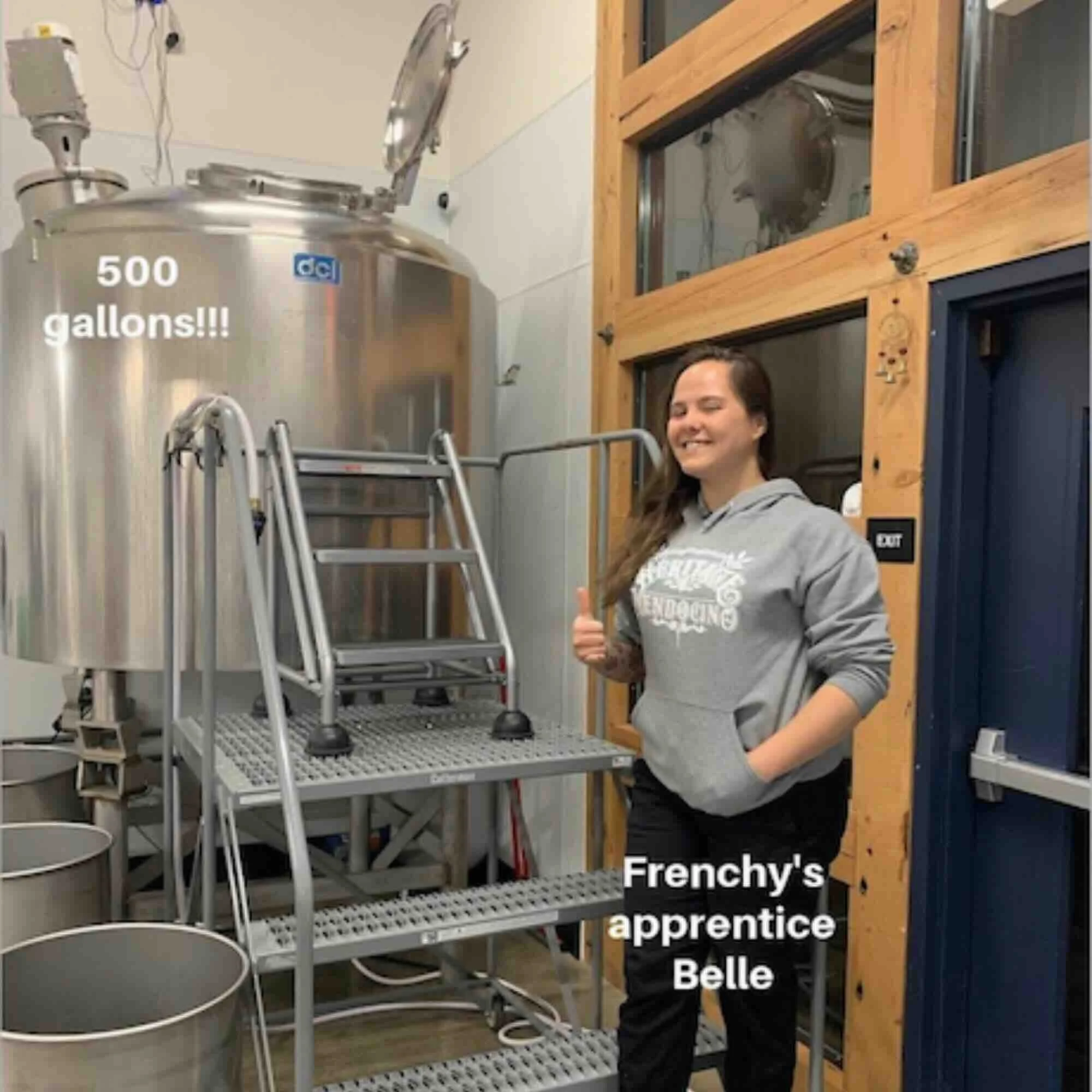
Washing machine made from repurposed DCI or other brand food-grade liquid processing vessel - for the serious commercial resin processor. Keep your eye out for used vessel opportunities. They come in a variety of sizes and configurations. It’s easy enough to have a machine shop add some type of turn plate and drainage spout. If you want to see an example of a repurposed DCI vessel turned into a washer visit Heritage Hash Co. in Mendocino. This legal dispensary has a viewing window on their workroom where you can see their 500-gallon machine in action. Call ahead to ensure they will be washing the day you visit.
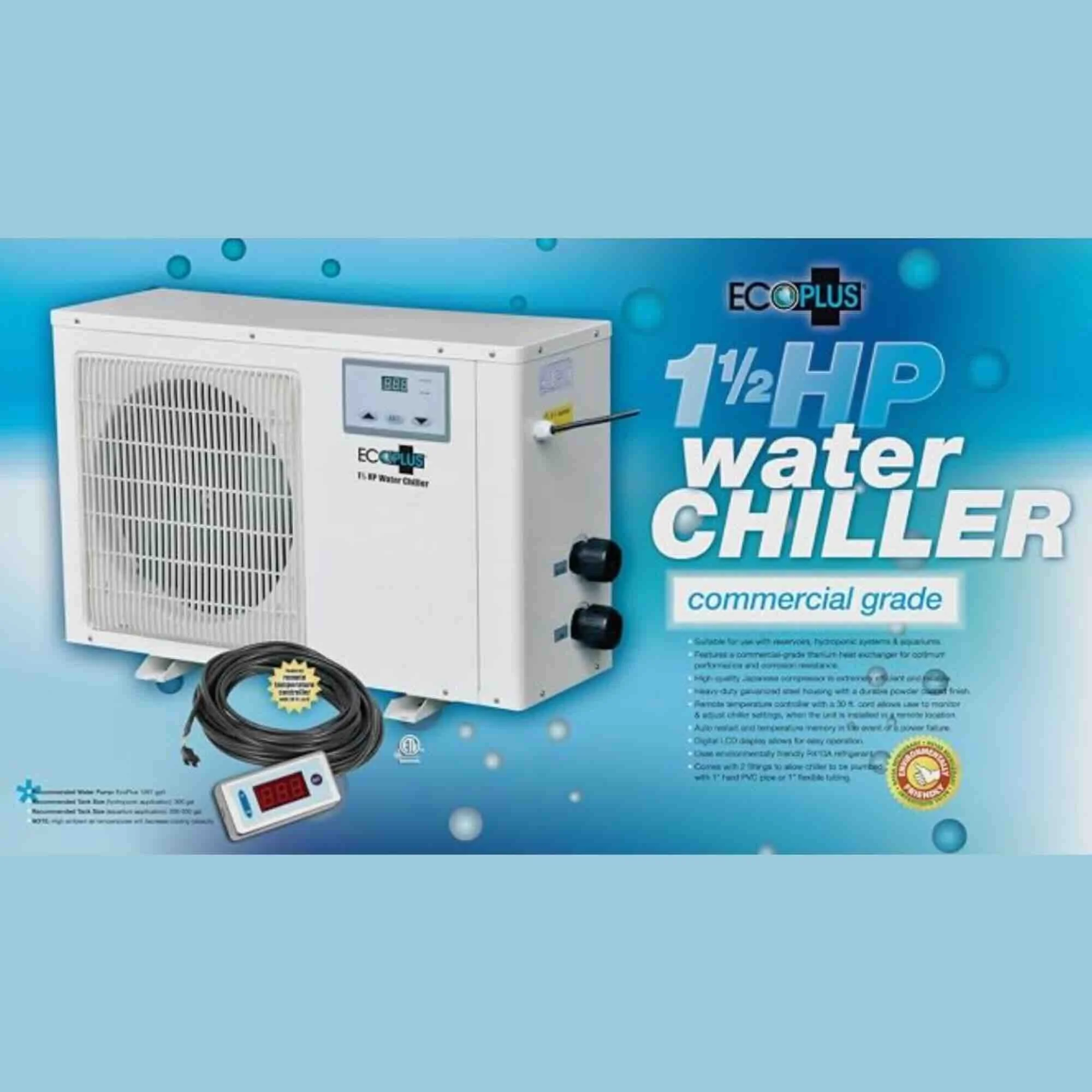
Water Chiller: Another tool for the consideration by the serious manufacturer is a commercial grade water chiller to pre-chill your water. You will need a tank to store the chilled water in for use. Recycled beer-making tanks work well.
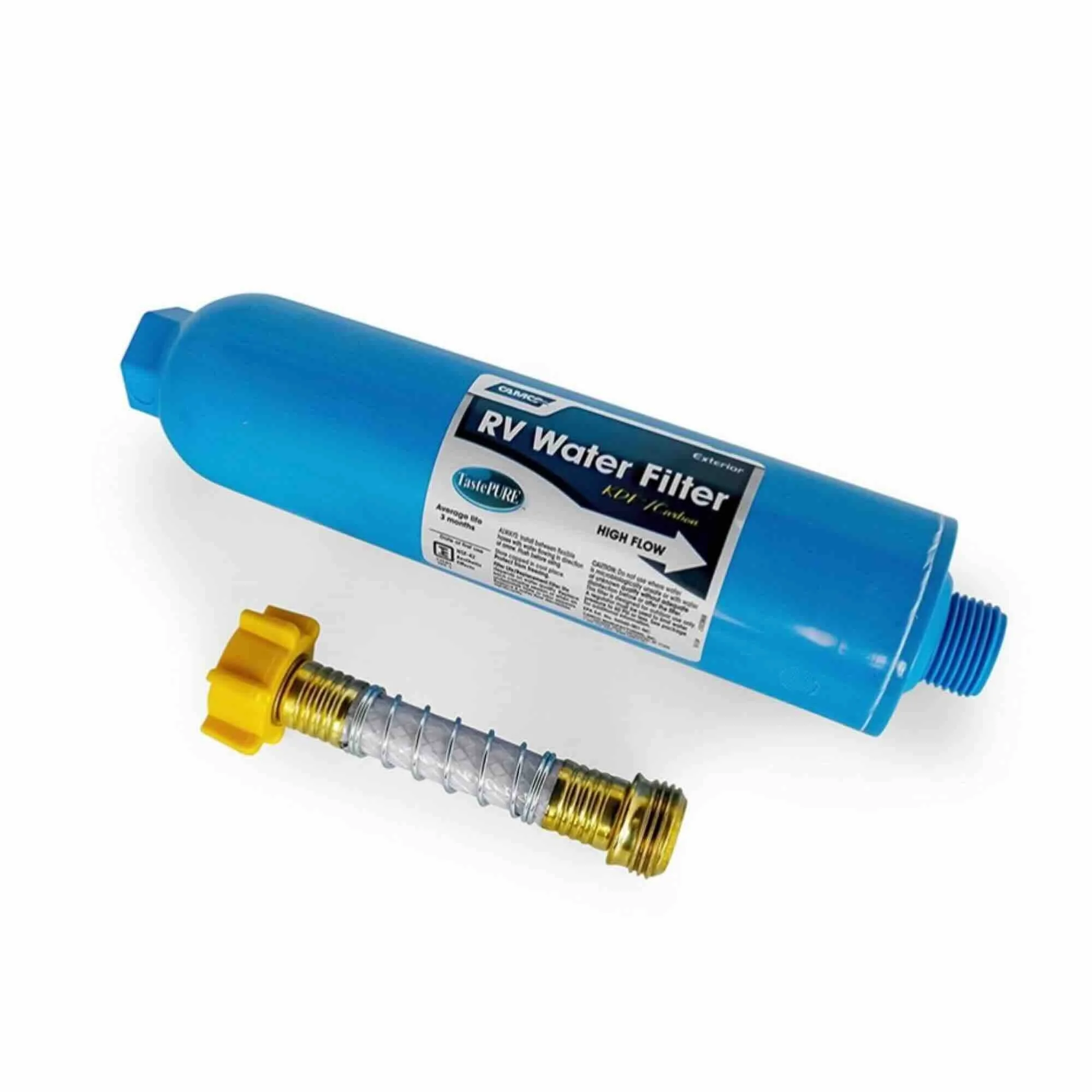
Water filter - A reverse osmosis system is not a requirement but you will want to use some form of additional filtration on just about all public water sources. RV water filters are inexpensive and very easy to attached to any water faucet. Charcoal (activated carbon) water filters remove chlorine, and volatile organic compounds (VOCs) like industrial chemicals, solvents, and benzene. They do not remove calcium and magnesium, fluoride, pathogens and microorganisms, or inorganic salts. If your water has any of these more serious issues you may need to look into a a comprehensive filtration system.